
Courage: A Structured Word Inquiry
$1.50“…it is the courage to continue that counts.” Winston Churchill

Showing 19–33 of 33 resultsSorted by latest
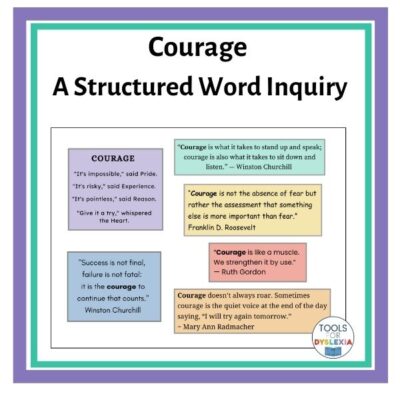
“…it is the courage to continue that counts.” Winston Churchill
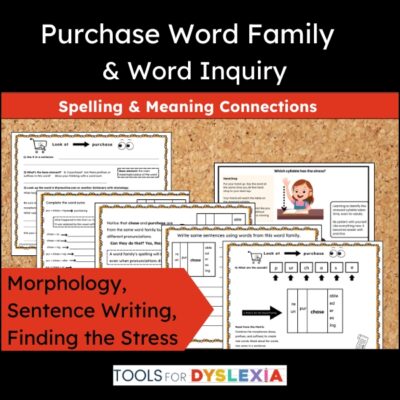
When a student asked about the spelling of purchase, specifically why the <a> isn’t an <i>, we had to dig a little deeper. It turns out we were chasing an unstressed syllable. Read more about it at How to Find an Unstressed Syllable. This resource teaches you how to help your students use Structured Word…
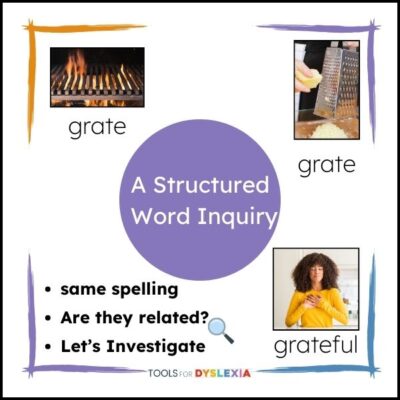
Usually words with the same spelling and meaning are related. Does a grate on a grill, grate as in grating cheese, and the grate in grateful have anything in common besides their spelling? Are they related?
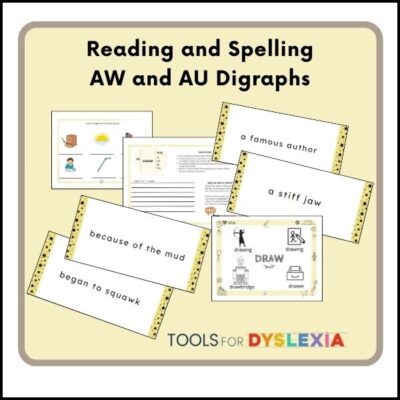
Reading, Spelling, and Writing Activities with the <aw> and <au> vowel digraphs. Ready for you to print and use!
A spooky Structured Word Inquiry and practice with the OO vowel digraph.
Lots of students misspell “toward” when they’re spelling without seeing the structure of this direction word.
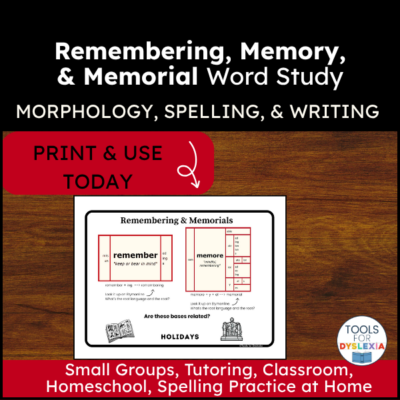
A word study to make note of the relationship between REMEMBER and MEMORY with morphology and etymology.
Why isn’t “labor” spelled with an <er>? Speaking of <er>, why are there some words spelled with an <-er> suffix and some with an <-or> suffix?
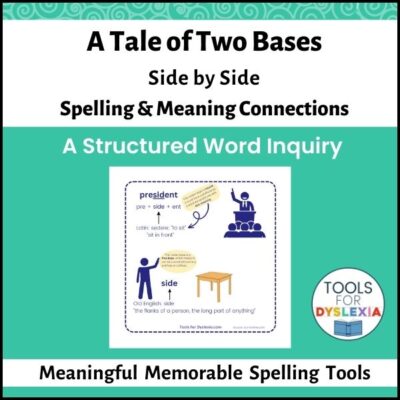
Side by side, let’s compare “preside” to “side”. If two words have the same base spelling, are they related?
Hmm…Good question. They might be. What about their meanings? Do they have the same sense and meaning? Here’s a critical determiner of word relationship–do they share the same root?
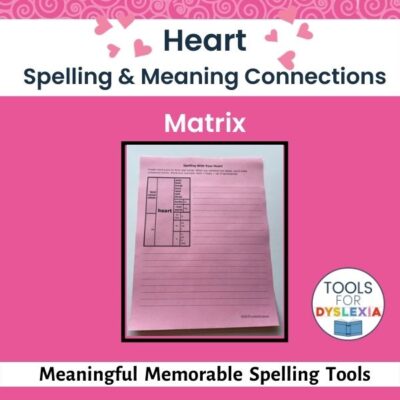
Get to the Heart of Spelling with a heart matrix. Whether it’s Valentine’s Day, a science lesson about the cardiovascular system, or learning the <ea> vowel digraph, this matrix will enrich your lesson.
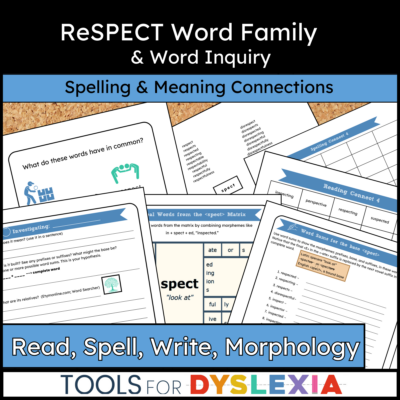
This Resource has been updated and is available at the Teachers Pay Teachers store: https://www.teacherspayteachers.com/store/tools-for-dyslexia
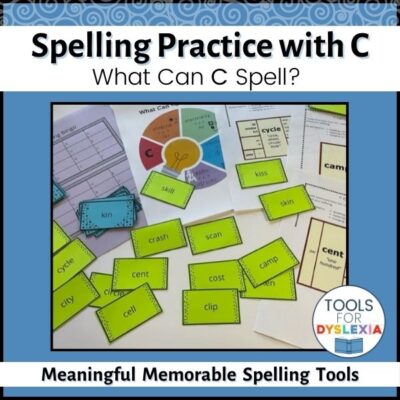
Students need spelling practice with C. Choosing between C and K when spelling /k/ takes repetition, noticing that C can spell /s/ as well as /k/ takes time, and the practicing to remember these has to be interesting and fun!
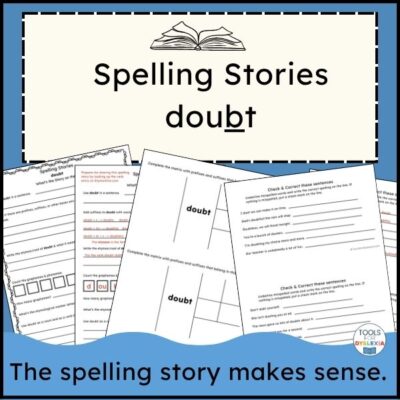
When I was a young student, one of my questions was: Why is there a <b> in doubt? Dyslexic students want to know the reasons for the spelling because that helps them make sense of it and remember it. We remember stories. Experience word study and an introduction to using etymology with Doubt: A Structured…
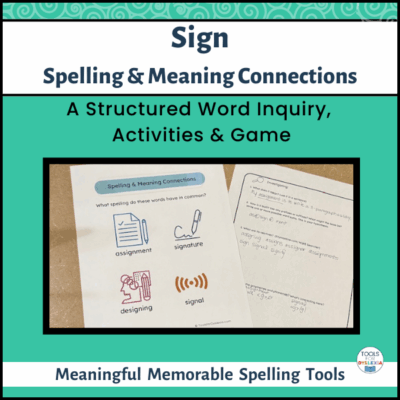
Why is there a G in <sign>? Often students misspell sign and other words with that base spelling because they’re trying to spell by sounding out. That doesn’t work well for this.. Give them the tools to see the spelling and meaning connections. After working through the matrix and other activities in this resource, these words will become more familiar, increasing their reading fluency and spelling accuracy.
End of content
End of content